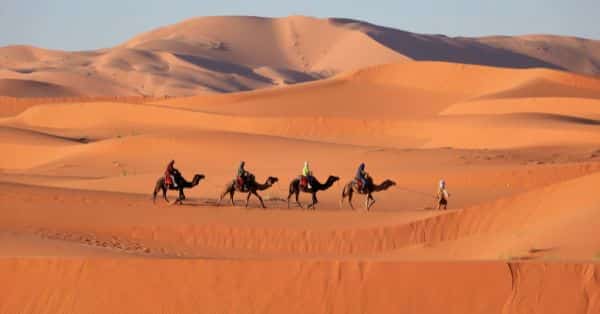
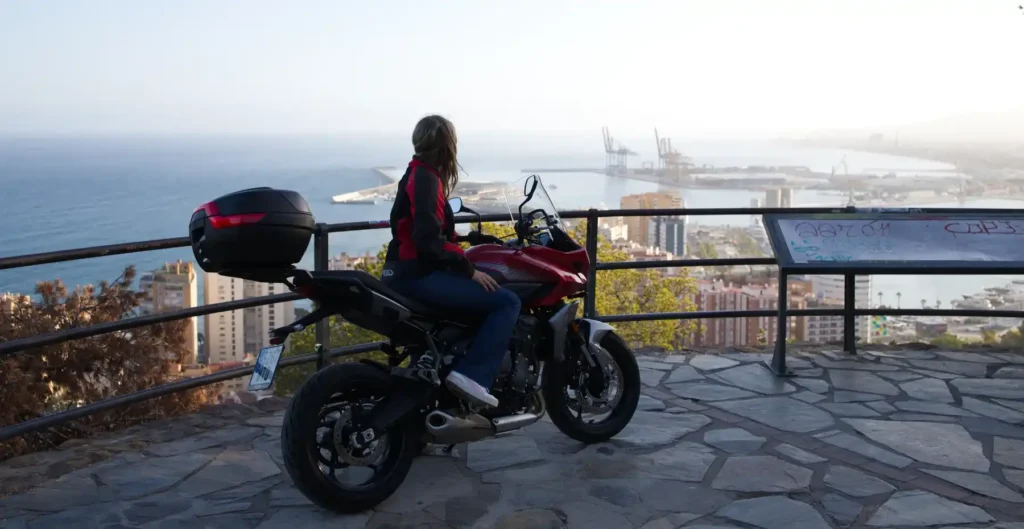
Riding through Morocco on a motorcycle means you eat where the locals eat — roadside tagine stops, Berber villages in the Atlas, desert camps under the stars and medina restaurants that no tour bus ever finds. This is your complete food guide for the road.
Why food tastes different when you arrive on a motorcycle
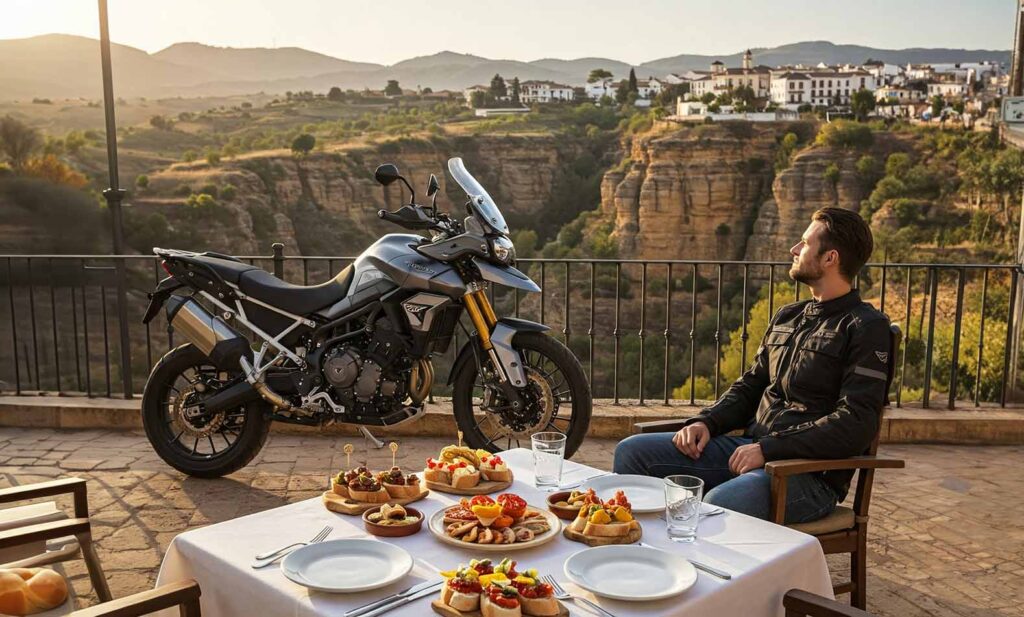
There is something about pulling up to a roadside restaurant on a Triumph Tiger that changes the whole experience. Locals come out to look at the bikes. The cook waves you in. You sit at the same table as the truck drivers and the farmers. Nobody is performing for tourists — you are just there, on the road, hungry and dusty, and the tagine arrives in the same clay pot it was cooked in.
That is the reality of eating in Morocco on a motorcycle. You stop where the road takes you, not where the hotel recommends. Our guides know every good stop between Tarifa and Merzouga — the places that have been feeding riders for years and never appear on any app.
The essential ingredients of Moroccan food
The most iconic dishes of Moroccan gastronomy combine meat, vegetables, fruit, bread and above all, spices. The most well-known spice mix is ras el hanout — a blend each cook makes to their own recipe, but always including paprika, ginger, turmeric, cumin, saffron and nutmeg. When you smell it drifting out of a roadside kitchen, you know a good stop is ahead.
Vegetables are central to every Moroccan meal — aubergine, tomato, onion and olives carry serious weight. Dates and argan nuts appear in both savoury and sweet dishes. Lamb and chicken dominate the meat options, with beef in cities and excellent fresh fish along the Atlantic coast — especially around Agadir and Essaouira, which you pass through on our route.

What to eat on a motorcycle tour through Morocco
Associating tagine and couscous with Moroccan food is automatic — they are the best-known dishes worldwide. But the road offers much more than that.
Tagine — your daily fuel on the road
You will eat tagine most days and never repeat the same one. Named after the conical clay pot it is cooked in, the slow method makes even the simplest cut of meat fall apart. Chicken with preserved lemon and olives is the classic. Lamb with prunes and almonds is what you find further south towards the desert. After a long pass through the Atlas with the bikes parked outside and the mountains still visible, a lamb tagine with fresh bread is one of the best meals you will have anywhere.
Couscous — the Friday ritual
If you are riding on a Friday, stop in any town around lunchtime. Couscous is the traditional Friday meal — families gather, restaurants fill up, portions are enormous. Semolina wheat with seven vegetables, lamb or chicken, and a bowl of broth to pour over. Do not skip it.
Madfouna — Berber pizza in the Atlas
On the high Atlas section of our route, between Marrakech and the desert, you pass through Berber villages where this dish is made fresh. It looks like a thick flatbread but opens up to reveal minced beef, hard-boiled eggs, almonds and spices — turmeric, coriander, ginger — baked inside. On our Triumph Rewards of Morocco tour, our guides know exactly where to stop for it.

Other dishes you cannot miss on the route
- Pastilla — sweet and savoury pie with chicken or pigeon, almonds, cinnamon and icing sugar. Sounds unusual, tastes extraordinary. Try it in Fez.
- Bisara — fava bean purée with olive oil and cumin, eaten with bread. Cheap, filling and perfect for a quick stop.
- Harira — thick soup with noodles, lamb, tomatoes, lentils and chickpeas. The classic end-of-day meal.
- Kefta — minced lamb skewers grilled over charcoal. Every medina has a street lined with them — follow the smoke.
- Moroccan sweets — chebakia, sfenzh, briwat and sweet couscous called seffa, all made with honey, sesame and almonds. Buy them at the markets in Chefchaouen or Fez.
And always accompanied by Moroccan mint tea — green tea brewed with fresh spearmint, poured from height to create foam. You will be offered it everywhere: at petrol stations, at guesthouses after the ride, at shops you did not intend to enter. Always accept it. It is the social currency of the country. Freshly squeezed orange and pomegranate juice is excellent throughout. Stick to bottled water on the bike — the heat between Ouarzazate and Merzouga is serious and dehydration happens faster than you expect on a long riding day.

Eating in Morocco with coeliac disease or gluten intolerance
Morocco is more manageable than people expect. Dishes to avoid: couscous, bastela, harira (contains flour), Berber pizza, bread, crepes and sweets. What you can eat safely: any tagine, kefta skewers, Berber omelette, grilled meats and most rice dishes.
Practical tip for the ride: bring a card in Arabic and French explaining the intolerance — our guides can help prepare one before departure. In Chefchaouen, Fez, Marrakech and Casablanca there are restaurants with labelled gluten-free options, and our guides know which stops are safe on the route.
Health tips for eating on the road in Morocco
A few simple rules keep you riding without problems:
- Drink only bottled water or tea — never tap water or ice
- Avoid salads and raw vegetables at roadside stops
- Always peel fresh fruit yourself
- Eat where the truck drivers eat — the most reliable food quality indicator anywhere in the world
- The less touristy the stall, the better and safer the food
On our guided tour, all restaurant stops are pre-selected by our guides based on years of riding this route. You do not need to think about any of this — just ride and eat.
Ready to taste Morocco from the saddle?
Reading about the food is one thing. Pulling up to a desert camp at sunset after a long day on the Tiger, sitting down to a Berber meal under the Sahara stars — that is something else entirely.
🏍️ Guided Morocco Tour
8 days, 2,000 km, Málaga to the Sahara and back. All restaurant stops chosen by our guides. Triumph bikes, hotels and support vehicle included.
🗺️ Self-Guided Morocco Route
Prefer to ride at your own pace? We prepare the route, the hotels and the GPX files. You ride independently with our support available by phone.
Any questions about the tour or what to expect on the road? Contact us — we are waiting for you.
Author: Marta García / Customer Service & Travel Advisor — Triumph Adventure Experience Spain