By Triumph Adventure Experience Spain
Table of Contents
- Riding a Motorcycle in the Rain: Safety and Control
- 1. Prepare Yourself and Your Motorcycle
- 2. Maintain Smooth Control and Avoid Sudden Movements
- 3. Understand the 30/30/30 Rule for Brakers
- 4. Choose the Right Lane and Watch the Road Surface
- 5. Wait Until It’s Safe to Ride After Rain
- Conclusion: Ride Smart, Not Just Fast
Riding a Motorcycle in the Rain: Safety and Control
Riding a motorcycle in the rain can be both challenging and rewarding. While wet conditions demand greater focus and control, they also test your riding skills and awareness on the road. With the right approach, equipment, and mindset, you can enjoy the journey safely even when the skies open up.
In this guide, we’ll explore five essential tips for riding a motorcycle in the rain, including how to adjust your braking, visibility, and overall riding technique.
1. Prepare Yourself and Your Motorcycle
Before hitting the road, inspect your motorcycle thoroughly. Check tire pressure and tread depth—good traction is your best ally on wet surfaces. Also, make sure your brakes, lights, and chain are in perfect condition.
Wear waterproof gear including gloves, boots, and a high-visibility jacket. Staying dry not only keeps you comfortable but also helps you stay focused on the ride.
2. Maintain Smooth Control and Avoid Sudden Movements
One of the golden rules when riding a motorcycle in rain is to be smooth with every input—acceleration, braking, and steering. Wet roads reduce tire grip, so any abrupt motion can lead to a loss of control.
Keep both hands relaxed on the handlebars and use gentle throttle adjustments. Smooth, deliberate actions help maintain traction and stability.
3. Understand the 30/30/30 Rule for Brakers
When it comes to riding a motorcycle in the rain, one of the most effective safety principles is the 30/30/30 rule — a simple but powerful guideline to help you maintain control and reduce risk in wet conditions.
Reduce Your Speed by 30%
Lowering your speed immediately decreases the force your tires must handle, giving them a better chance to maintain traction on slippery roads. Rain, oil, and debris can significantly reduce grip, so slowing down allows more time to react to hazards such as sudden turns, puddles, or vehicles braking ahead.
Increase Your Following Distance by 30%
On dry pavement, it’s safe to maintain a following distance of 2–3 seconds. In the rain, you should extend that to at least 4–5 seconds. This extra space gives you more time to respond if the vehicle in front brakes suddenly, and helps avoid panic reactions that can cause loss of control.
Brake 30% Earlier (and More Gently)
Wet roads reduce the friction between your tires and the surface, so braking too late or too hard can easily cause a skid. Start braking earlier, apply both brakes progressively, and avoid sudden pressure. If your motorcycle has ABS, let it do the work — but don’t rely on it as a substitute for smooth control.
Together, these adjustments improve traction, stability, and reaction time, dramatically reducing your chances of sliding or hydroplaning. It’s especially important on road tours, where changing weather and varied road conditions can catch riders off guard.
Another benefit of following the 30/30/30 rule is that it encourages mental discipline — you become more aware of your environment, the condition of the pavement, and how your motorcycle is responding. This mindfulness is what separates experienced, confident riders from those who simply react to the road.
4. Choose the Right Lane and Watch the Road Surface
Avoid riding over painted lines, metal covers, or puddles, as these can be extremely slippery. Whenever possible, stay in the tire tracks of cars ahead—this part of the lane tends to dry out faster and offers better grip.
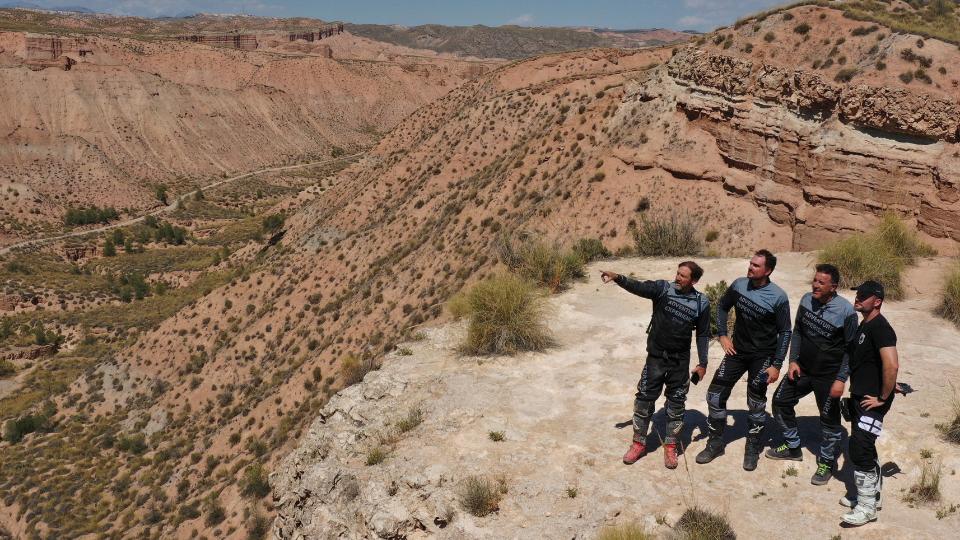
Be cautious at intersections, where oil residue and water mix can create dangerously slick patches. For adventure enthusiasts, rainy terrain can be thrilling, but always choose routes suitable for the conditions, such as specialized off-road tours.
5. Wait Until It’s Safe to Ride After Rain
So, how long after rain is it safe to ride a motorcycle? The answer depends on the conditions. Typically, you should wait at least 15–30 minutes after a heavy shower to allow the roads to drain and the initial layer of oil and debris to wash away.
If the rain has just stopped but the pavement still looks shiny, that means it’s still slippery—wait until it turns a more matte gray before riding.
If you’re traveling and the weather surprises you, you can always opt for local motorcycle rentals that offer suitable bikes and equipment for wet conditions.
Conclusion: Ride Smart, Not Just Fast
Riding in the rain doesn’t have to be intimidating. With preparation, awareness, and smooth technique, you can enjoy every ride while staying safe. Remember to adjust your speed, maintain visibility, and respect the road.
Whether you’re planning an on-road or off-road trip, make sure you ride with confidence and responsibility.
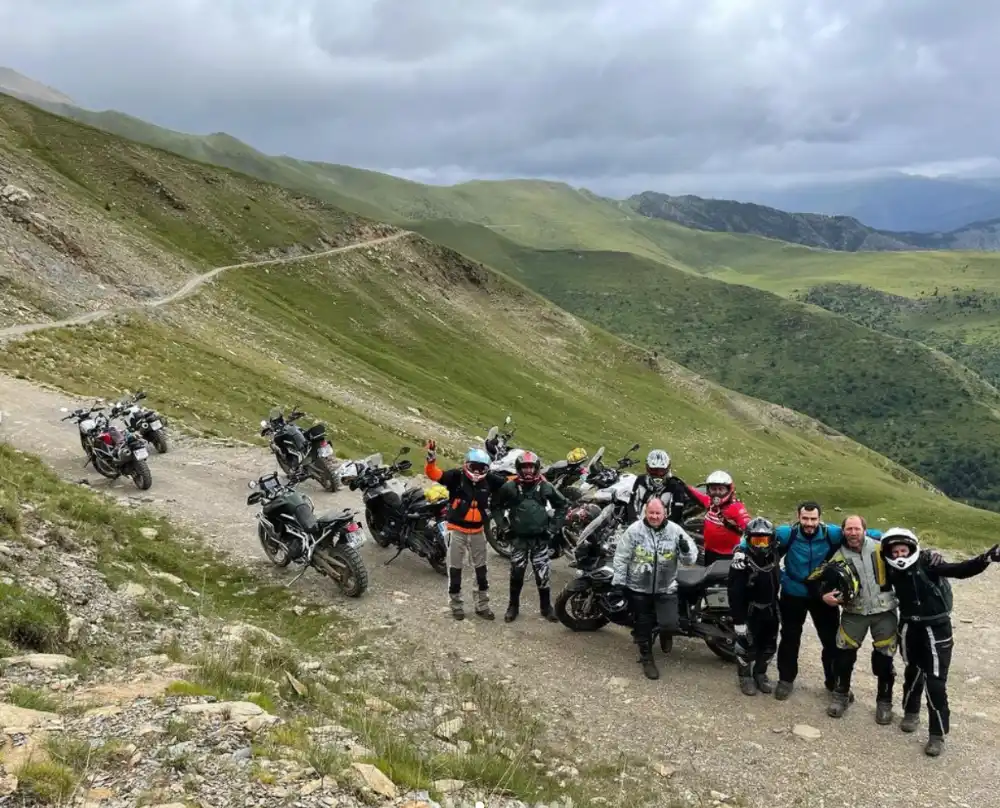
Ready to put these tips into practice? Explore unforgettable experiences with guided motorcycle tours designed for all kinds of weather and terrain.
Author: Antonio Urrea / CEO – Triumph Adventure