Romania · Tarmac · Adventure
By Triumph Adventure Spain · 10 min read · Carpathians, Transylvania, Bucovina
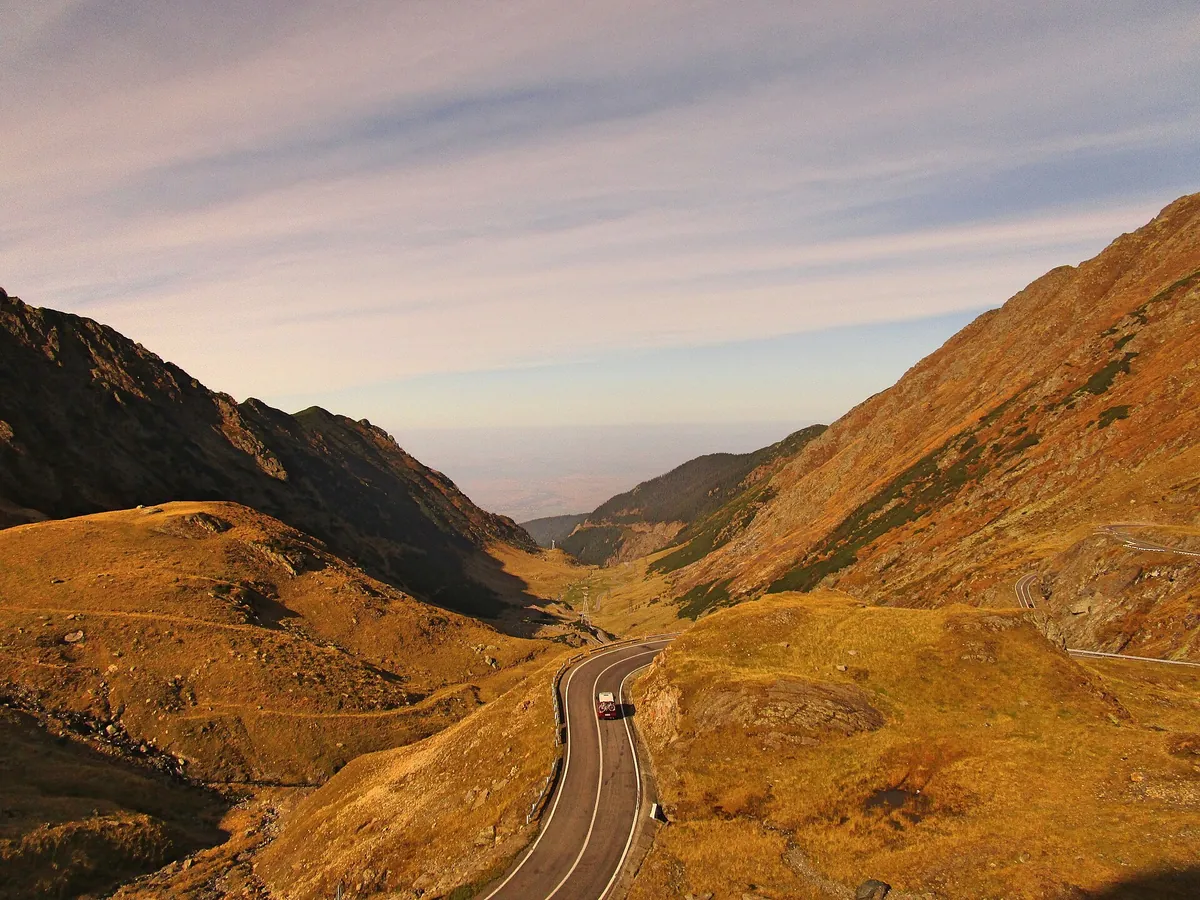
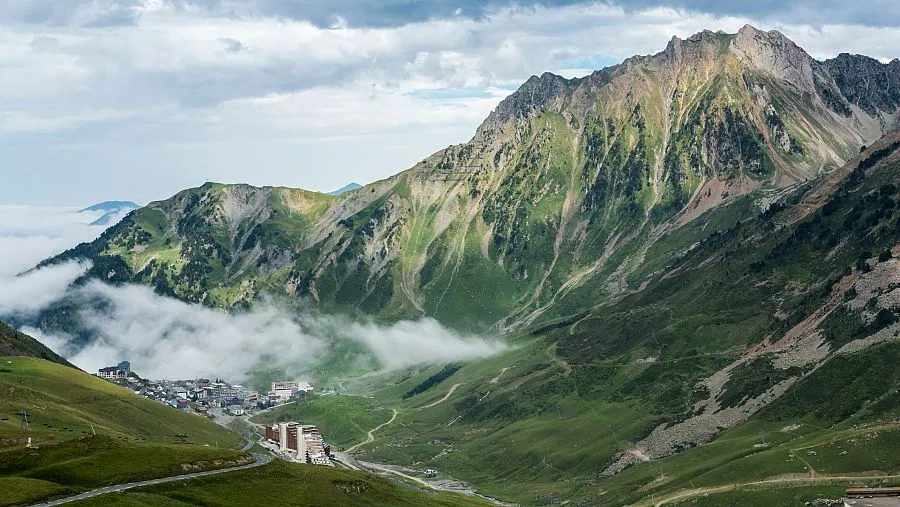
Romania is not fashionable. And for a motorcycle rider, that is exactly the news you want to hear. The roads are almost empty. The landscapes are on a scale that is hard to believe still exists in Europe. The Carpathians rise above 2,500 metres. The Transfăgărășan — the most famous road on the continent since Top Gear called it the best in the world — threads through glaciers and gorges for 90 kilometres without a single traffic light. And the Transalpina, less known and even higher, reaches 2,145 metres with the kind of bends that locals know by heart and you will discover for the first time.
📍 8 days · 1,420 km · 100% tarmac · Departs Cluj-Napoca · from €4,385/person · max 12 riders
The destination
Why Romania is the most interesting motorcycle destination in Europe right now
When riders talk about Europe, they think of the Alps, the Pyrenees, the Dolomites. Romania rarely comes up — and that is a mistake that more and more people are starting to correct. The country has three arguments that no Alpine destination can match: mountain roads that are practically free of traffic, a cost of living that is noticeably lower than Western Europe, and a variety of landscapes that fit into eight days in a way that is simply extraordinary.
In a single route you can pass through medieval castles in Transylvania, 15th-century fresco-painted monasteries in Bucovina, Danube Delta landscapes, Maramureș villages where wood is still worked using centuries-old techniques, and two of the most spectacular mountain passes in the world — all connected by roads where, outside peak season, you can ride for hours without passing a car.
Transylvania — castles and forests
Bucovina — 15th-century monasteries
Maramureș — traditional villages
Transfăgărășan — 90 km of pure mountain road
Transalpina — 2,145m altitude
Sighișoara — UNESCO medieval city
The roads
The best motorcycle routes in Romania
The Transfăgărășan: the road Top Gear called the best in the world
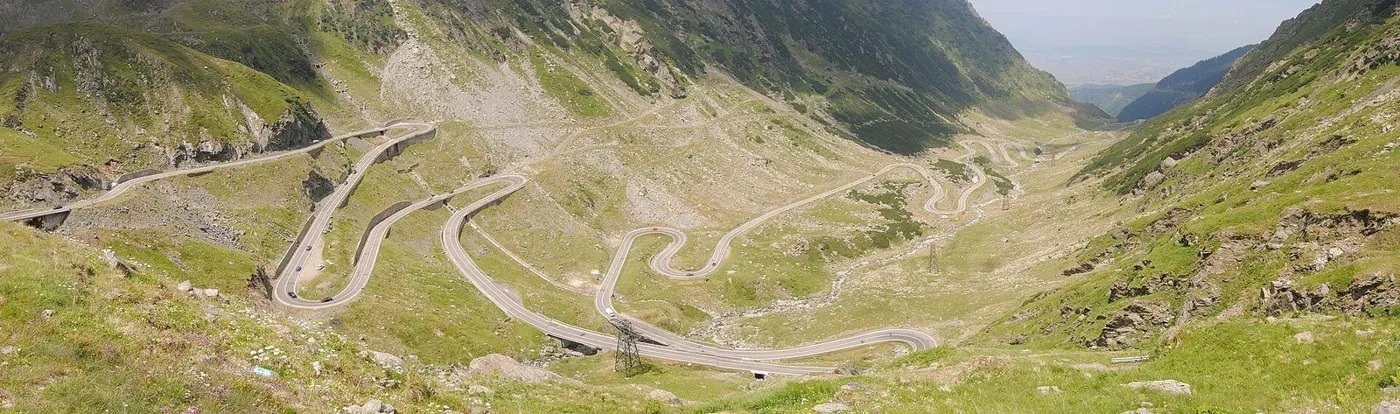
Built between 1970 and 1974 on the orders of Nicolae Ceaușescu as an emergency military road, the Transfăgărășan (DN7C) crosses the Wallachian Alps from north to south over Romania’s highest peak. 90 kilometres of bends climbing to 2,042 metres, a high-altitude tunnel, the glacial lake at Bâlea, and descents that run for kilometres with the valley stretched out below. It is only open between late June and mid-October — the rest of the year it stays buried under snow. Our first departure in 2027 is on 5 July.
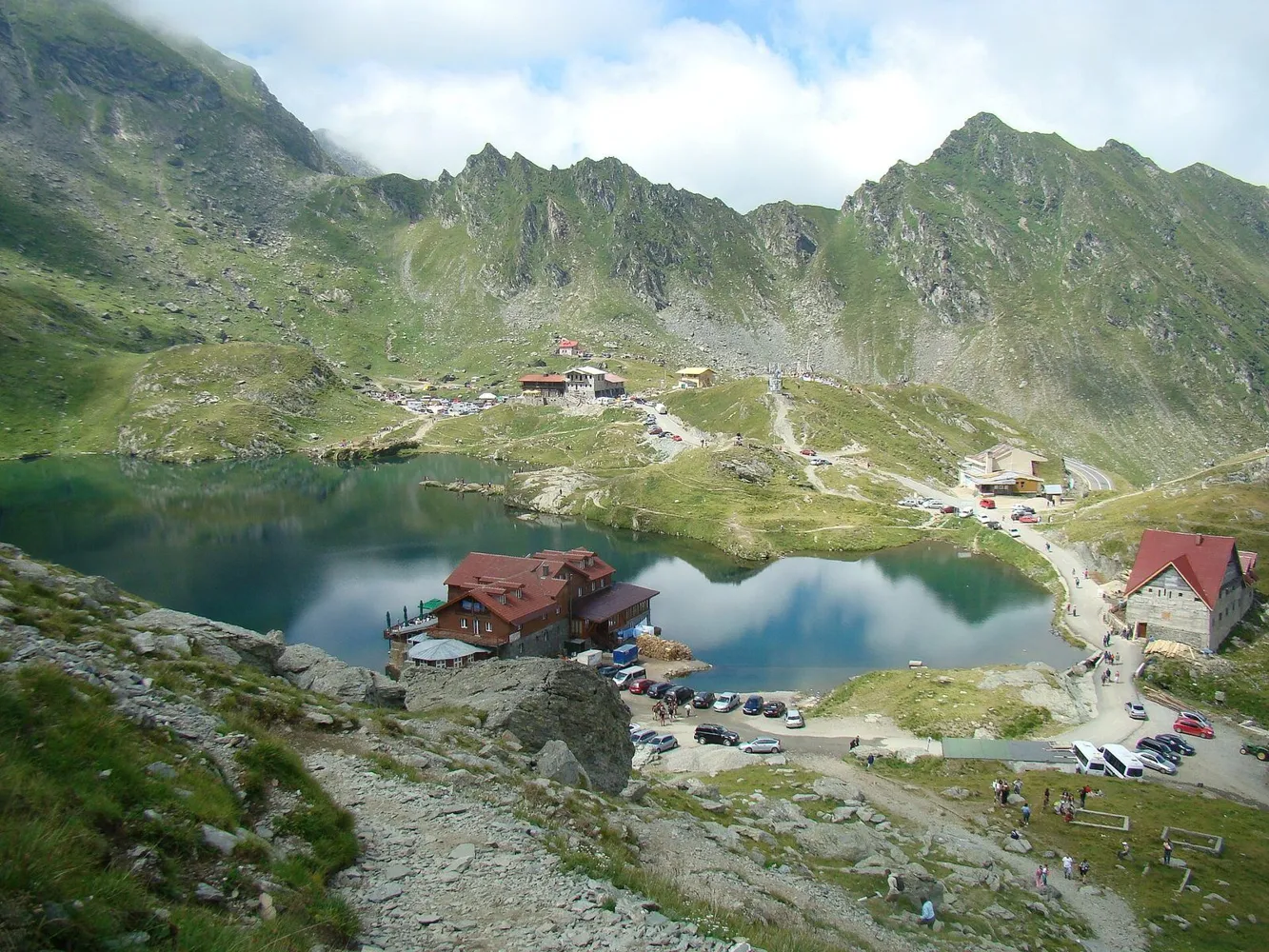
⛰️ Transfăgărășan (DN7C) · 90 km · 2,042m altitude · Open: June–October
The Transalpina: higher, less known, equally extraordinary
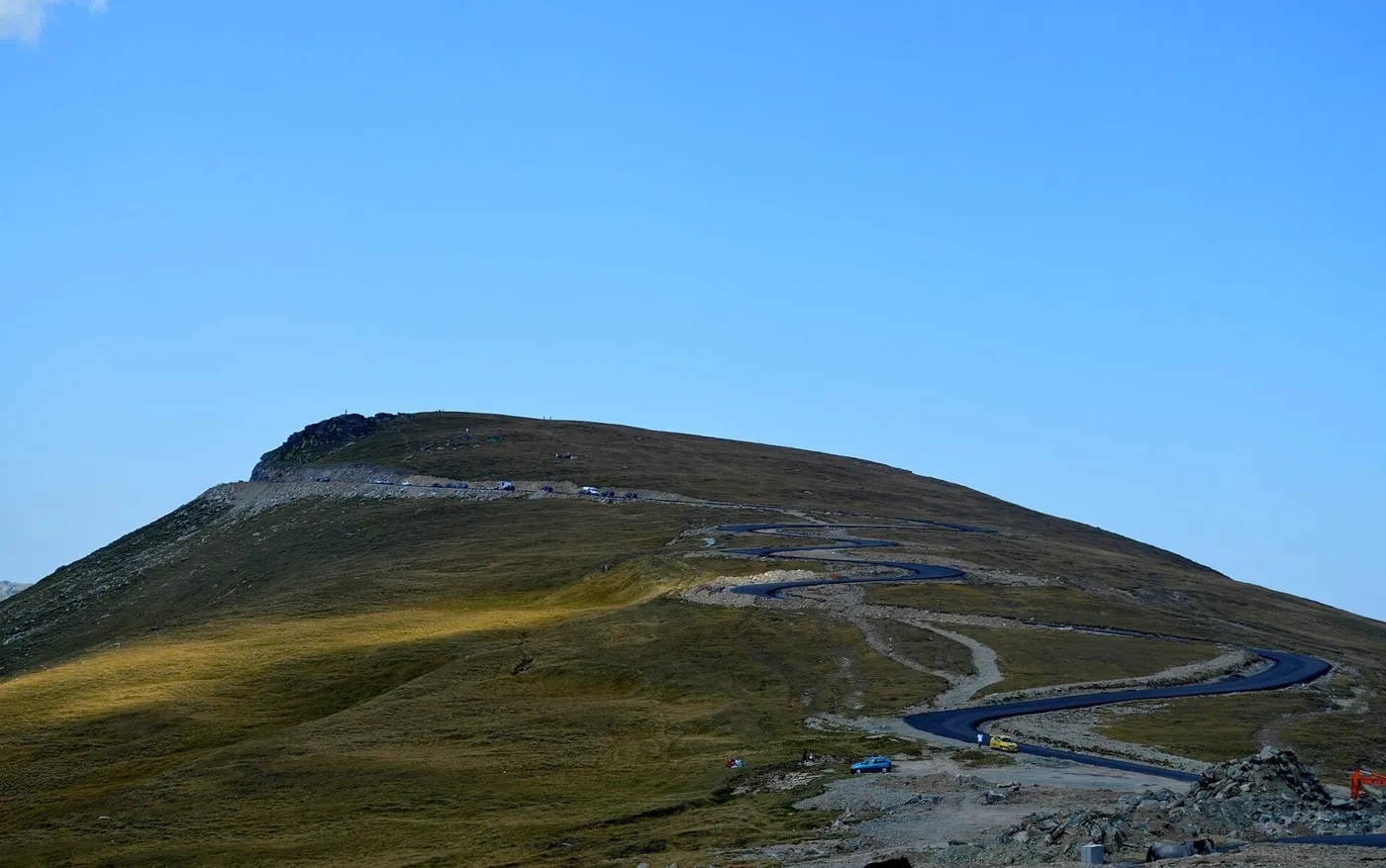
If the Transfăgărășan is the famous road, the Transalpina is the hidden one that riders who have already been to Romania come back to find. Running parallel but even higher — reaching 2,145 metres at the Urdele pass — it crosses the Parâng massif above the treeline. The bends are wider, the traffic is almost nonexistent, and the views south towards the Danube and the plains justify the journey on their own. The Carpathian Legends route includes both roads in the same week.
⛰️ Transalpina · 2,145m · Urdele pass · Romania’s highest road
Transylvania: from Sighișoara to Bran
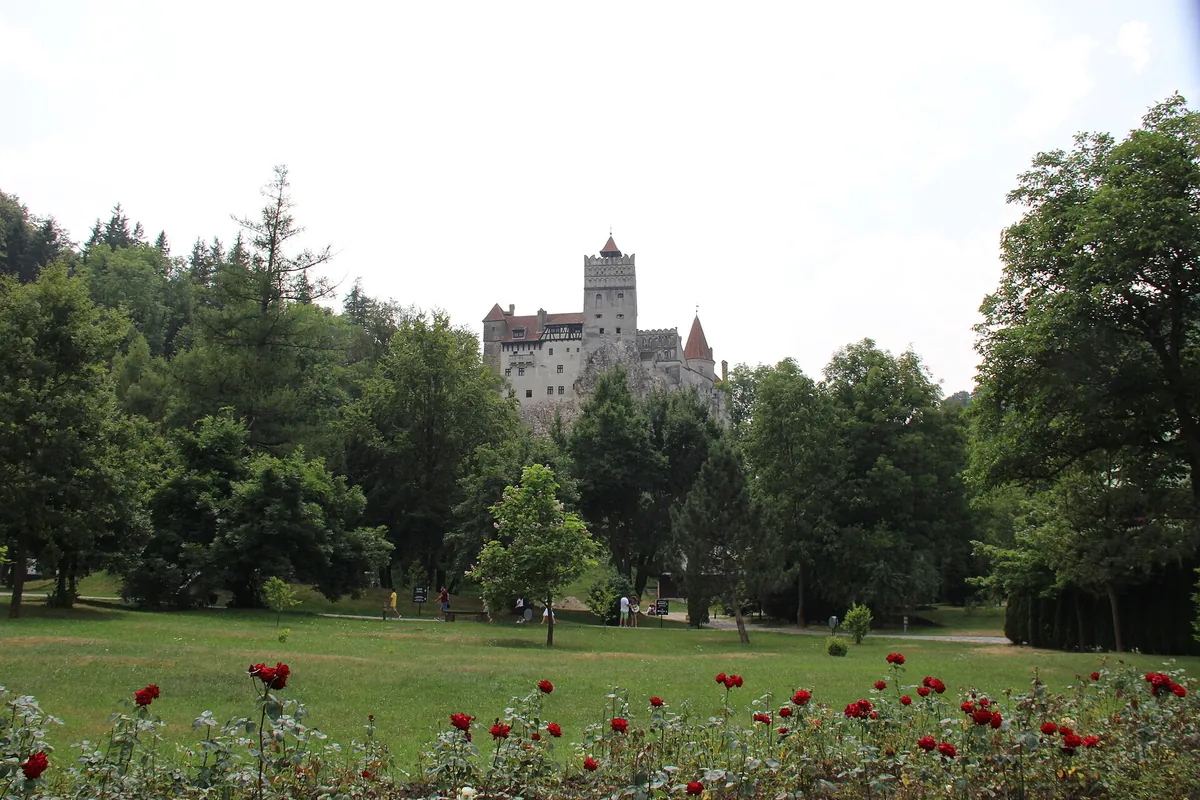
Transylvania is not just Dracula. It is a region with better-preserved medieval cities than many of the ones we pay expensive entry fees for in Western Europe. Sighișoara, birthplace of Vlad III — the inspiration behind Bram Stoker — is a UNESCO World Heritage city with a 14th-century clock tower that is still inhabited. Bran holds Romania’s most photographed castle. And in between, roads wind through beech forests and Saxon villages with 13th-century fortified churches.
Maramureș and Bucovina: the north nobody expects
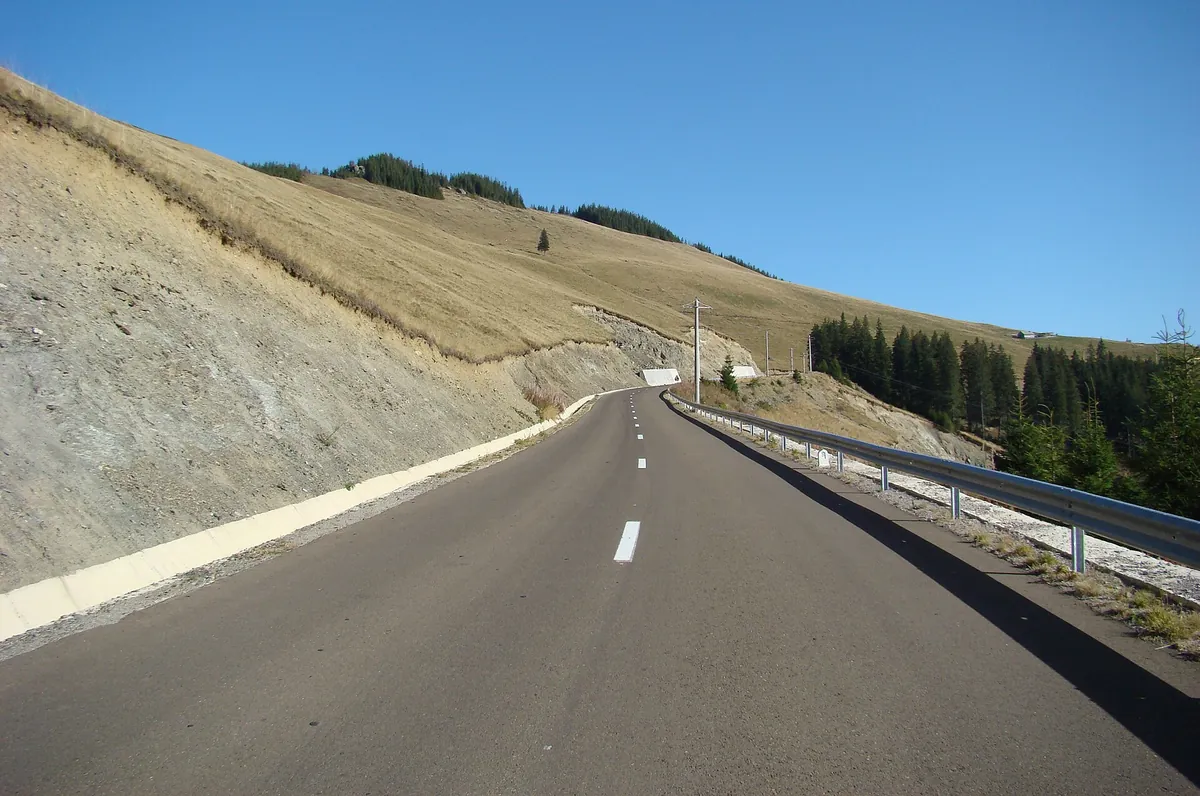
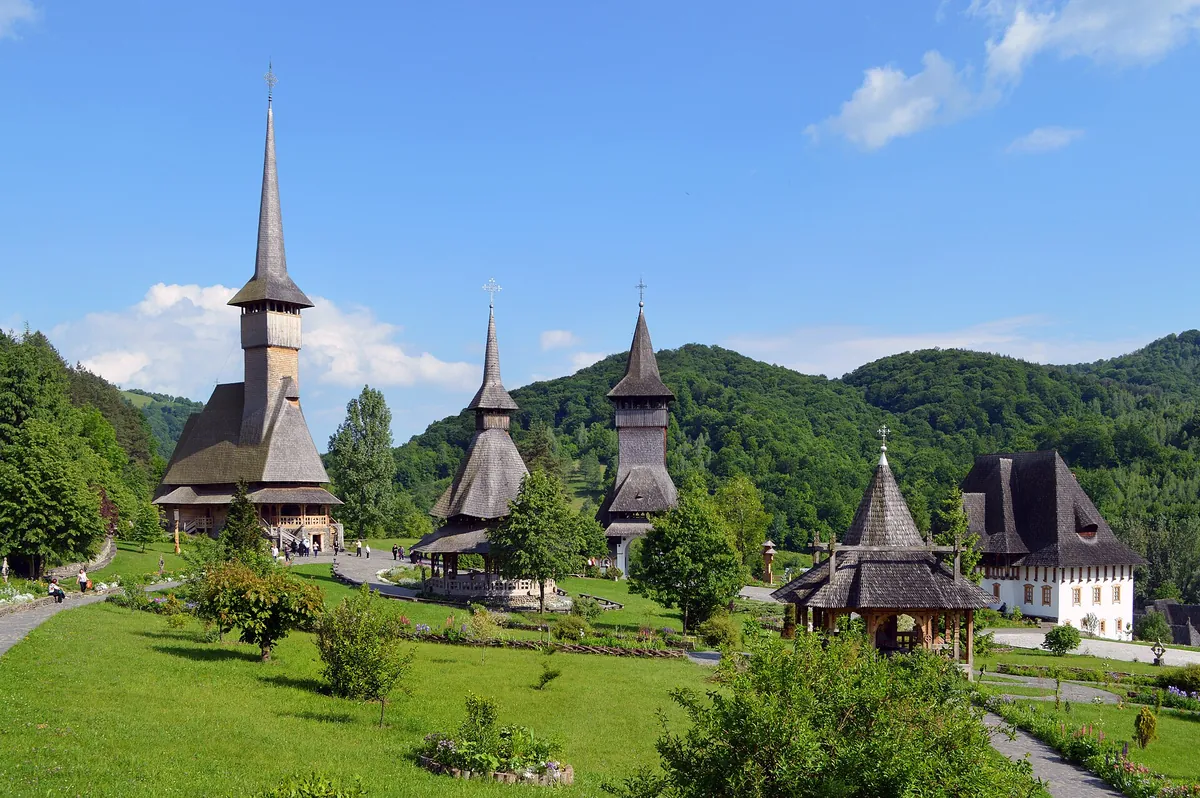
Maramureș is a region in the north where time seems to have stopped a century ago. Wooden carts share the road with cars. The 18th-century wooden churches are UNESCO World Heritage sites. And in Săpânța is the Merry Cemetery — the only one in the world where the headstones are hand-carved and hand-painted blue, each telling the story of the person buried there. Bucovina, to the east, preserves 15th-century monasteries with exterior frescoes that have survived 500 years of open-air weather. Few regions in Europe offer this combination of cultural heritage and natural landscape at the same level.
If you want to see everything we offer in the country, you’ll find it all on our Romania motorcycle tours page.
When to go
The best time for a motorcycle tour in Romania
|
🟢 Summer (June–August) The only window when the Transfăgărășan and Transalpina are open. Mild temperatures at the passes (10–18°C), warm in the valleys. Long days and exceptional late-afternoon light in the Carpathians. July and August have slightly more traffic at tourist spots. |
🟢 Early autumn (Sept–Oct) Second best option. Romania’s forests in autumn are spectacular — the country has the largest forest cover in Europe. Passes stay open until mid-October. Fewer tourists than in summer. |
|
🔴 Winter (Nov–May) The Transfăgărășan and Transalpina close due to snow. Riding is possible in the north and valleys, but the full route experience is not. Not recommended for a complete circuit. |
🟡 Late spring (May–June) Secondary roads are in top condition and the landscape is green. High passes open at the end of June. Some rain in the mountains. Our first departure in 2027 runs from 5 to 12 July. |
What you need to know
Five things every rider should know before going to Romania
1. The secondary roads are the real destination
Romanian motorways are few and permanently under construction. The national and regional roads, by contrast, are the reason riders come back. Most run through undeveloped valleys with reasonable tarmac and traffic levels that, even in high season, are sparse compared to any equivalent Alpine route. GPS works well, but physical maps of the region are still useful in remote areas.
2. Documents and vignette
Romania has been an EU member since 2007 — no visa required for European citizens. A European driving licence is valid. However, you must purchase the electronic vignette (rovinieta) before riding on national roads: available online at roviniete.ro or at border petrol stations. The cost for motorcycles is approximately €3 for 7 days. Riding without it can result in a fine of up to €400.
3. Fuel and mechanical support
Petrol stations are frequent on main roads and in cities. In remote areas like the Transalpina or the northern Bucovina roads, there can be 80–100 km stretches without a service station. With a full tank at the start of each stage and a reserve buffer, it is not an issue. On guided tours, the support van carries emergency fuel.
4. Mountain weather
The Carpathians have their own microclimate. It can be 25°C in the valley and 8°C with fog at the Bâlea pass or Urdele. Rain gear and a thermal layer are essential even in July. Weather changes quickly — clear skies in the morning can become a mountain storm by afternoon.
5. Romanian hospitality
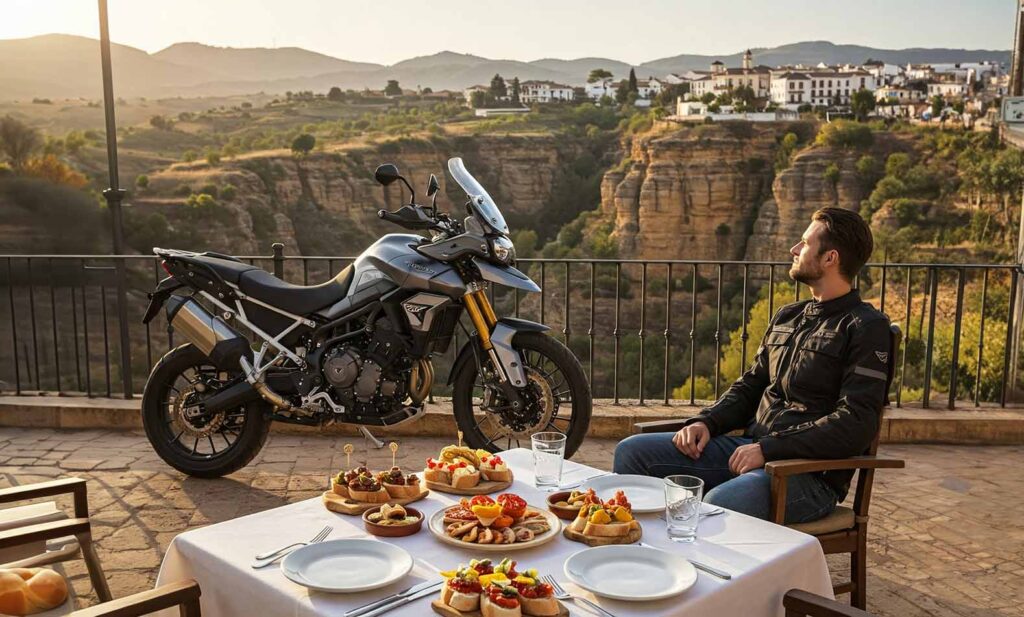
Romania is one of the least touristy countries in Central Europe, and it shows. Hospitality is genuine and unforced. In many rural guesthouses, breakfast comes from the owner’s garden. Prices are noticeably lower than in Western Europe — a dinner with wine at a local restaurant costs between €10 and €20. For a rider who has spent years on the same Alpine circuits, Romania carries the feeling of having found something that has not quite been discovered yet.
“I thought I had already ridden the best roads in Europe. Romania proved me wrong. The Transfăgărășan at dawn, with not a single car on it, is one of the purest experiences I have had on a motorcycle.”
— Guest rider, Carpathian Legends inaugural edition 2026
The guided tour
Carpathian Legends: 8 days, 1,420 km, 7 stages through the Carpathians
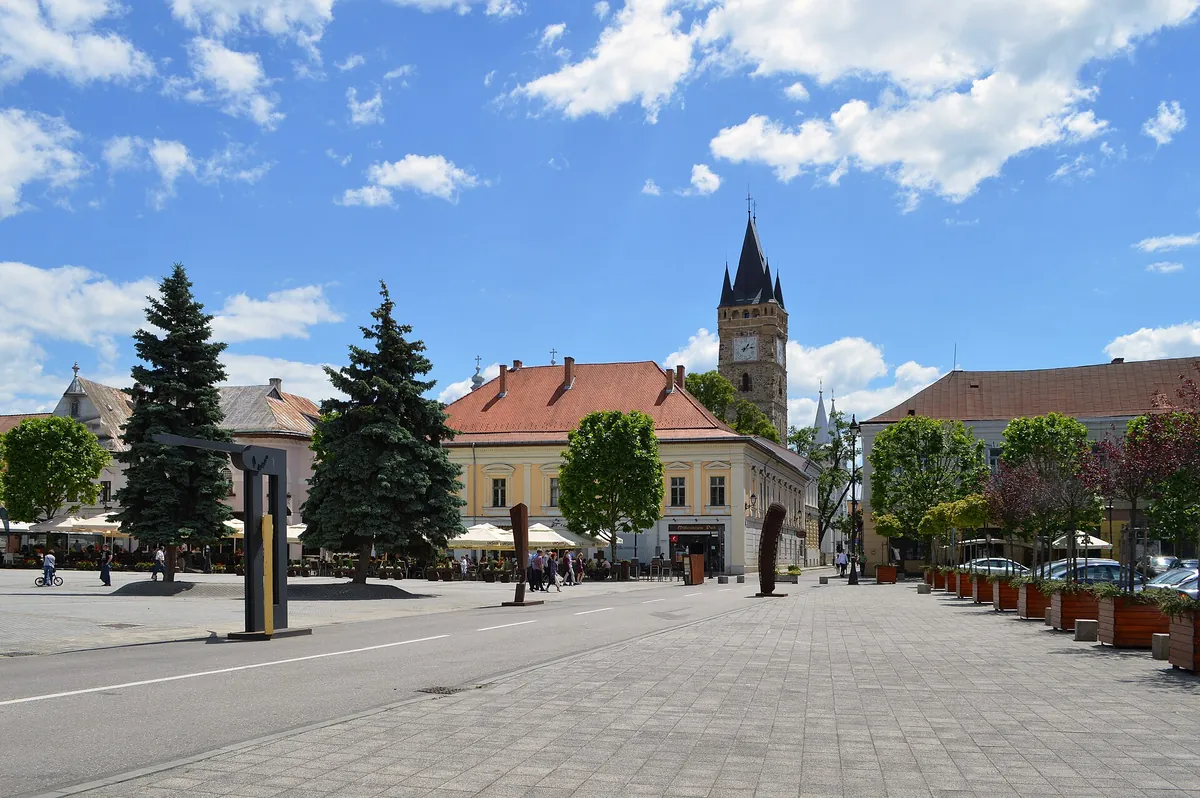
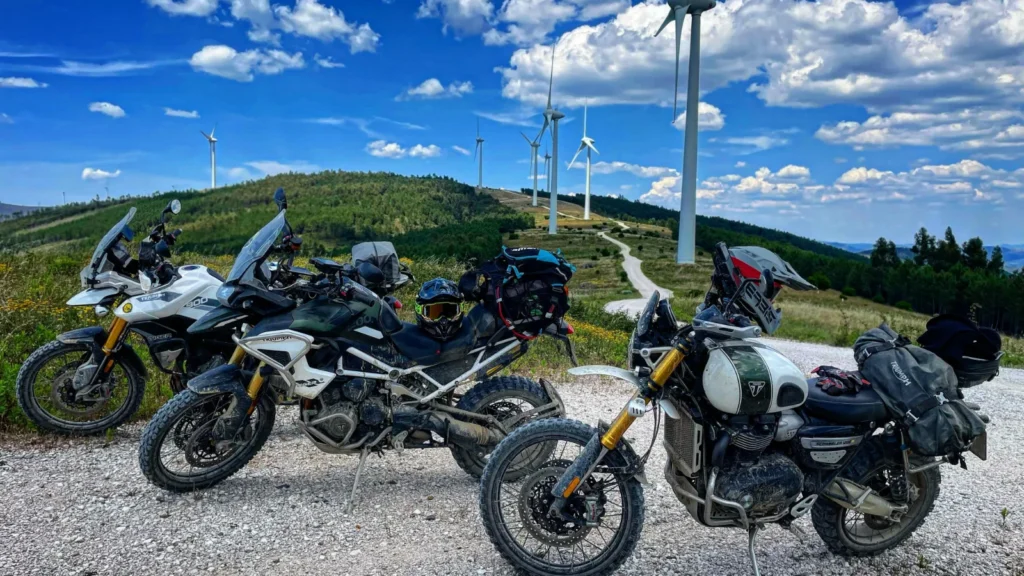
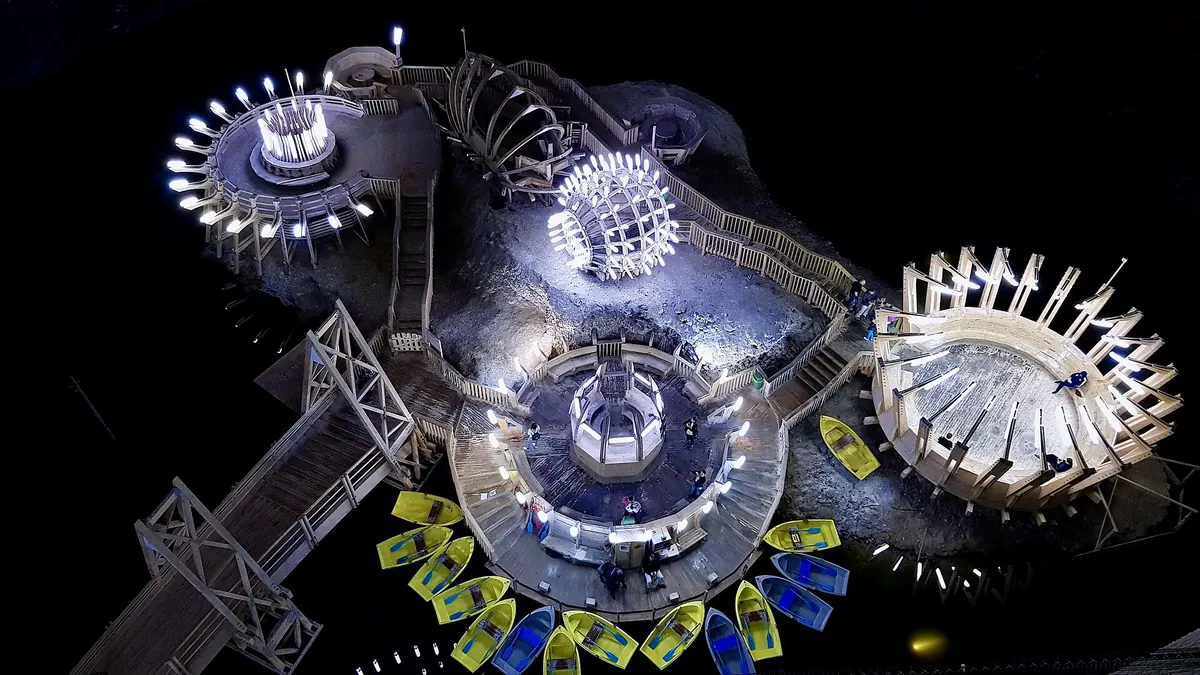
Our Carpathian Legends guided tour covers 1,420 kilometres in 8 days, departing and returning to Cluj-Napoca. The route is designed to cover the essential Romania without sacrificing pace: Maramureș and the Merry Cemetery at Săpânța, the painted monasteries of Bucovina, the medieval cities of Transylvania, Bran Castle, the full Transfăgărășan, the Transalpina, and the return via Alba Iulia and Turda. Ridden on the Triumph Tiger 900, with a support van throughout and selected hotels at every stage.
🏍️ 8 days · 1,420 km · 100% tarmac · Triumph Tiger 900 · Support van · Hotels included · from €4,385/person · max 12 riders
The 7 stages:
- Cluj-Napoca → Sieu Mare
- Maramureș → Săpânța → Bucovina
- Transylvania → Sibiu → Păltiniș-Ciuc
- Sighișoara → Bran
- Bran → Transfăgărășan → Râmnicu Vâlcea
- Lotus Valley → Transalpina → Abrutla
- Alba Iulia → Turda → Cluj-Napoca
2027 departures — Limited places
Carpathian Legends
Guided motorcycle tour through Romania · Triumph Tiger 900
📅 5–12 July and 11–18 September 2027
8 days · 1,420 km · 7 stages · max 12 riders · from €4,385
FAQ
Frequently asked questions about motorcycle touring in Romania
How many days do you need for a motorcycle tour in Romania?
To cover the essentials — Maramureș, Bucovina, Transylvania, the Transfăgărășan and the Transalpina — a minimum of 7–8 riding days is recommended. Our Carpathian Legends tour covers 1,420 km in 8 days, departing and returning to Cluj-Napoca, with one stage designed for each region.
When is the Transfăgărășan open?
Normally between late June and mid-October, though the exact dates vary depending on snow conditions. Our first departure in 2027 runs from 5 to 12 July. Outside that window, the road remains closed due to snow at the high passes.
What experience level is required for the Carpathian Legends tour?
The route is 100% tarmac — no dirt tracks, no off-road sections. We recommend a minimum of two years’ riding experience and confidence completing daily stages of 150–250 km. It is not an extreme technical route, but the mountain passes require attention and confident handling.
Can I bring my own motorcycle?
The tour is ridden on the Triumph Tiger 900 from our fleet. If you are interested in joining on your own bike, raise this at the time of booking and we will assess it together.
What does the tour price include?
The Triumph Tiger 900, accommodation at selected hotels at each stage, support van throughout the route, official Triumph instructor-guides, and comprehensive insurance. Flights to Cluj-Napoca and meals (except breakfasts as per each hotel) are not included.
Is the Transfăgărășan difficult to ride?
Not particularly. It is a well-surfaced tarmac road with continuous bends and good visibility. The main challenge is cold at altitude (it can drop below 10°C even in July) and the possibility of fog. With the right kit and a steady pace, it is an extraordinary experience accessible to any rider with mountain road experience.
Is Romania safe for motorcycle touring?
Yes. Main and mountain roads are well signposted. In small towns and rural areas, watch for animals and slow vehicles on the road — common in the north and part of what makes the route feel genuine rather than managed. On the guided tour, the instructors know the roads first-hand and set a pace that works for the whole group.